A Decade of Impact
In 2016, the Johns Hopkins Bloomberg School of Public Health established the Bloomberg American Health Initiative to bring the power of public health to five of America’s most pressing health challenges.
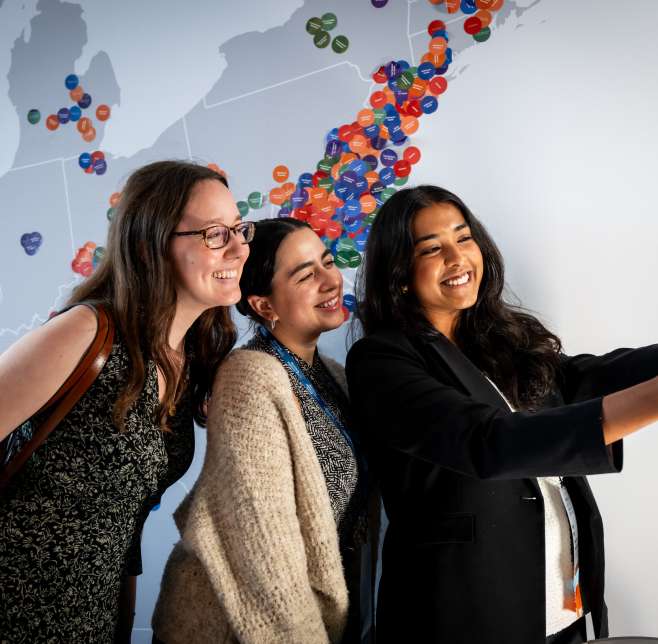
Ten years later, the Initiative has built a nationwide network of Bloomberg Fellows, endowed faculty, researchers, practitioners, and organizations across the country working together to improve health and save lives.
Focusing on addiction and overdose, adolescent health, environmental challenges, food systems, and violence, the Bloomberg American Health Initiative trains current and future leaders, funds cutting edge research, and develops innovative policy and programmatic solutions.
Read more about how it got started and the team behind the scenes.
Training the Next Generation of Public Health Leaders
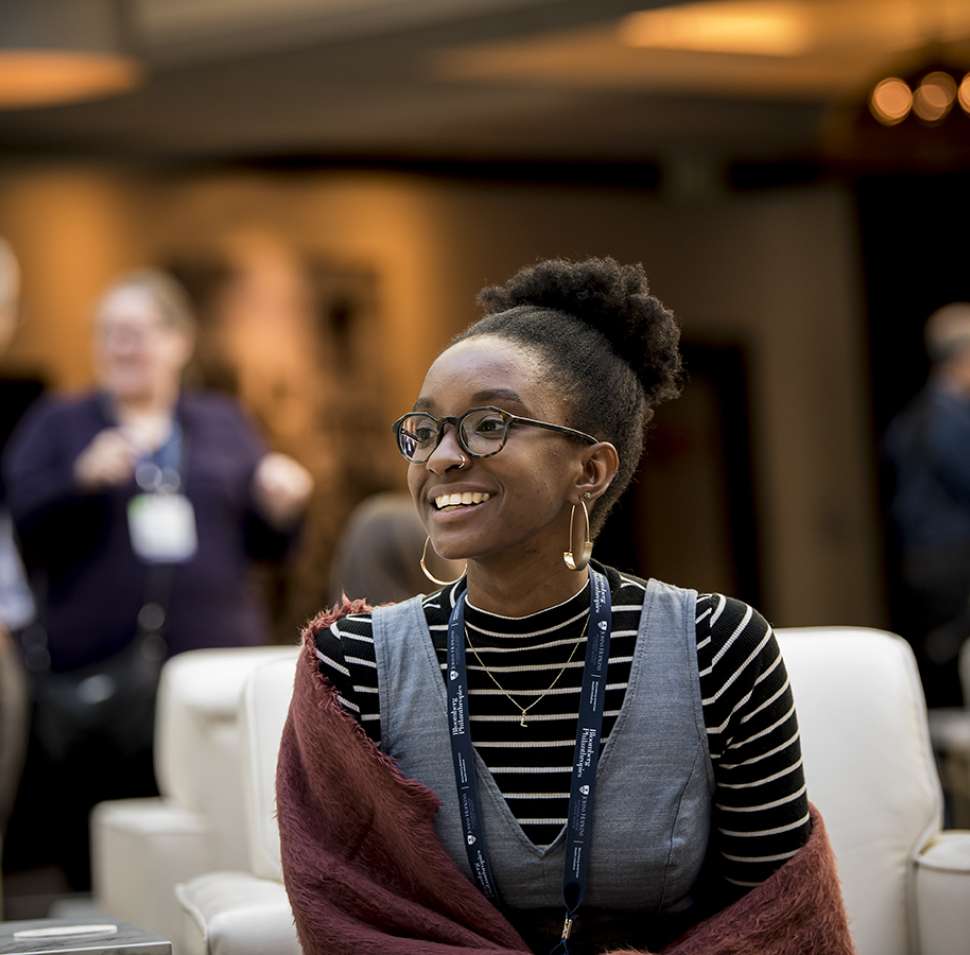
The Bloomberg Fellowship model engages people already working on the front lines of America’s most pressing public health challenges.
Bloomberg Fellows earn a fully-funded MPH or DrPH degree from the Bloomberg School – while remaining connected to their organization. These organizations range from traditional public health partners like health departments and clinics to nontraditional partners such as libraries, police departments, farms, and planning agencies.
What makes the fellowship program unique is that the Fellow’s organization is not a passive bystander. The Initiative provides educational opportunities and grants to strengthen organizational capacity and impact.
Evidence that doesn’t stop at publication.
“Public health touches every part of every single person's life and when we all work to improve systems and listen to those who are hardest hit by shifts in these systems, we can really make the impossible possible. And the Bloomberg American Health Initiative is a great blueprint for how to do just that.” – Keshia Pollack Porter, PhD, MPH, dean, Johns Hopkins Bloomberg School of Public Health
The Initiative supports innovative research projects that point the way to new solutions to longstanding challenges. Here are some examples.
Sprawl Rankings Reveal Health Benefits and Cost Offsets
“The findings confirm that the way we design our communities has far-reaching consequences for health, affordability, and social connection.” - Shima Hamidi, PhD, MSc, Bloomberg Associate Professor of American Health
A report supported by the Initiative and led by researchers at the Johns Hopkins Bloomberg School of Public Health finds that compact, connected metropolitan areas and urban counties in the U.S. yield health benefits and offset costs compared to areas that are more sprawling. Read more about urban sprawl and its impact on health.

Lifesaving Suicide Prevention Resources for Native American Communities
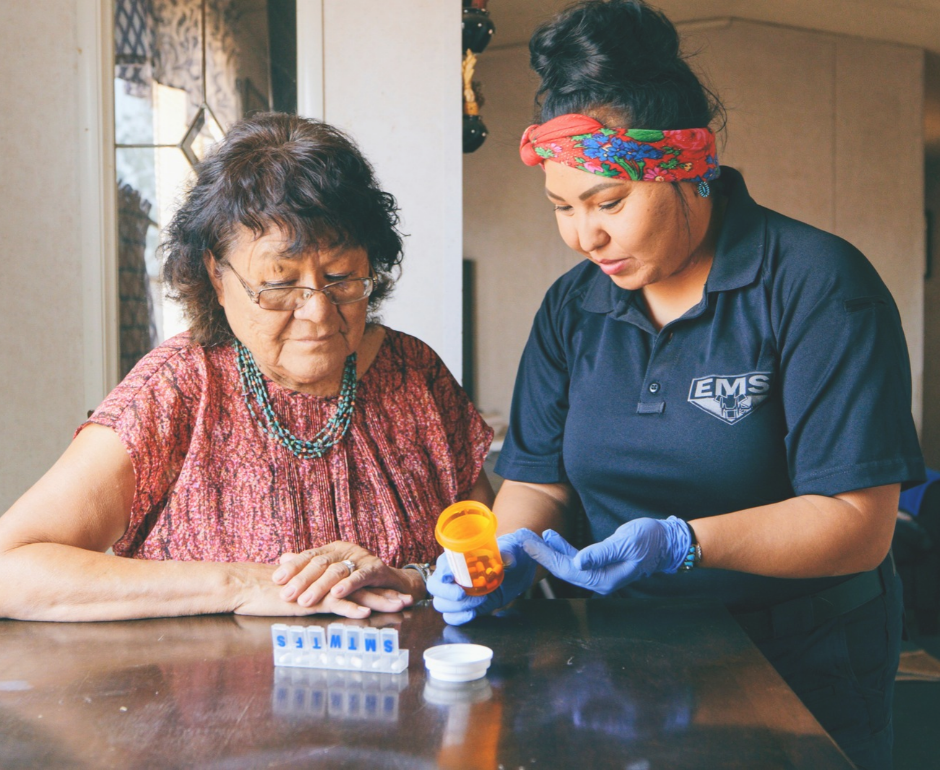
“The growing interest from other tribal nations in our initiatives has motivated us to expand this crucial program, allowing us to share our compassionate approach with even more communities.” - Novalene Goklish, director of Celebrating Life and member of the White Mountain Apache Tribe
Developed with input from tribal communities, the resources scale up the Celebrating Life Suicide Prevention Program model, offering an opportunity for widespread implementation and flexibility to modify the tools for diverse and culturally appropriate contexts. Read more about Celebrating Life.

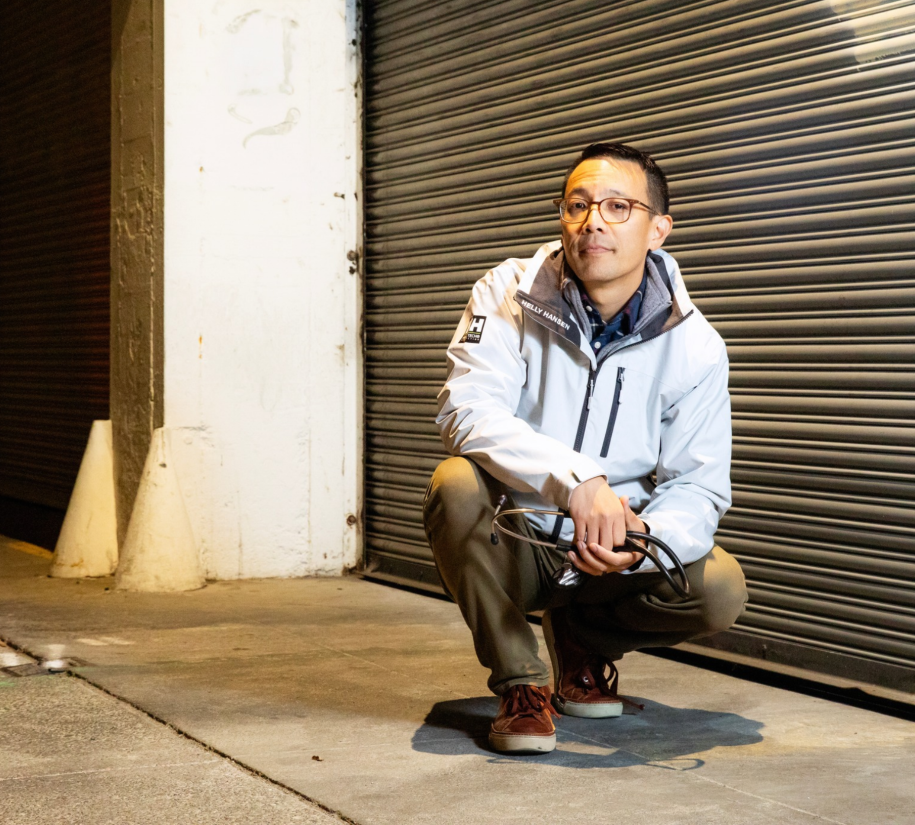
Jeffrey Hom
San Francisco, CA
A young woman knocks on the door of a San Francisco clinic after hours, determined to start treatment for opioid use disorder. Medication had helped her stop using drugs before, but she started using again when she lost access to care. This time, Jeffrey Hom, a physician and Bloomberg Fellow, was there to help.
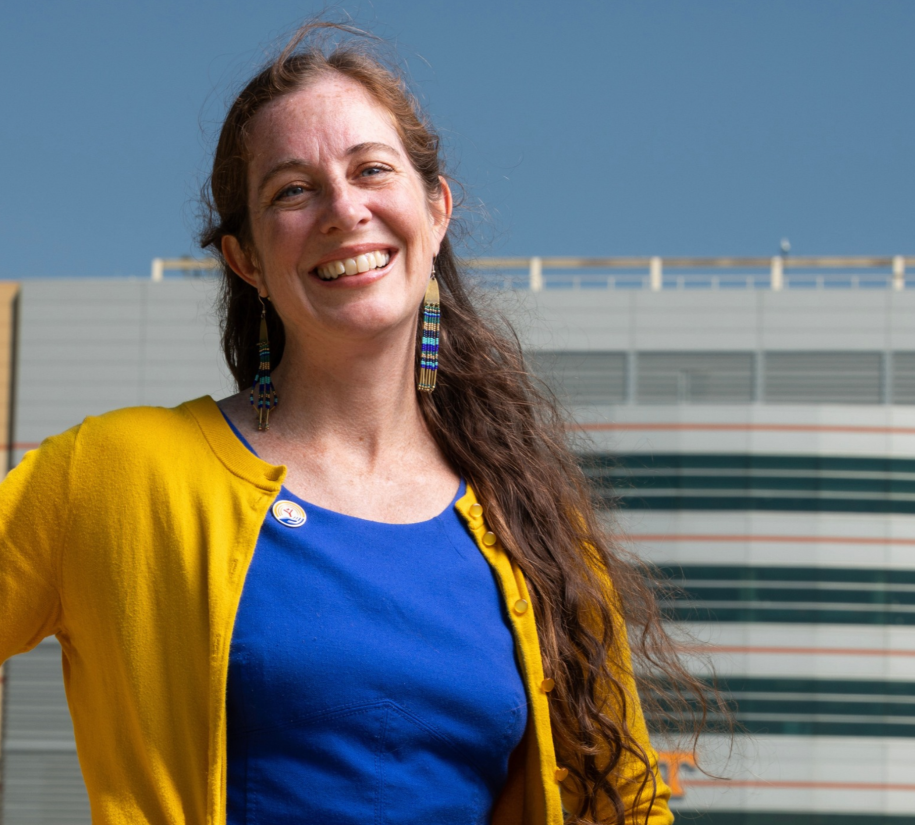
Kimberly Pettigrew
Knoxville, TN
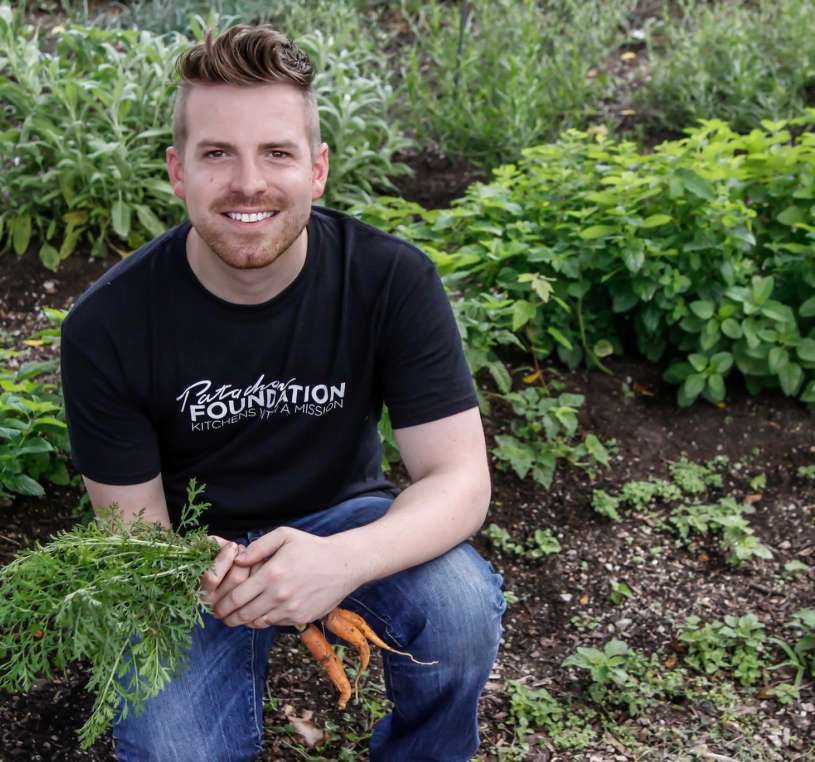
When the last football fan has left the stadium, the food is untouched and perfectly good, but headed for the trash unless Bloomberg Fellow Kimberly Pettigrew can get it to someone who needs it.
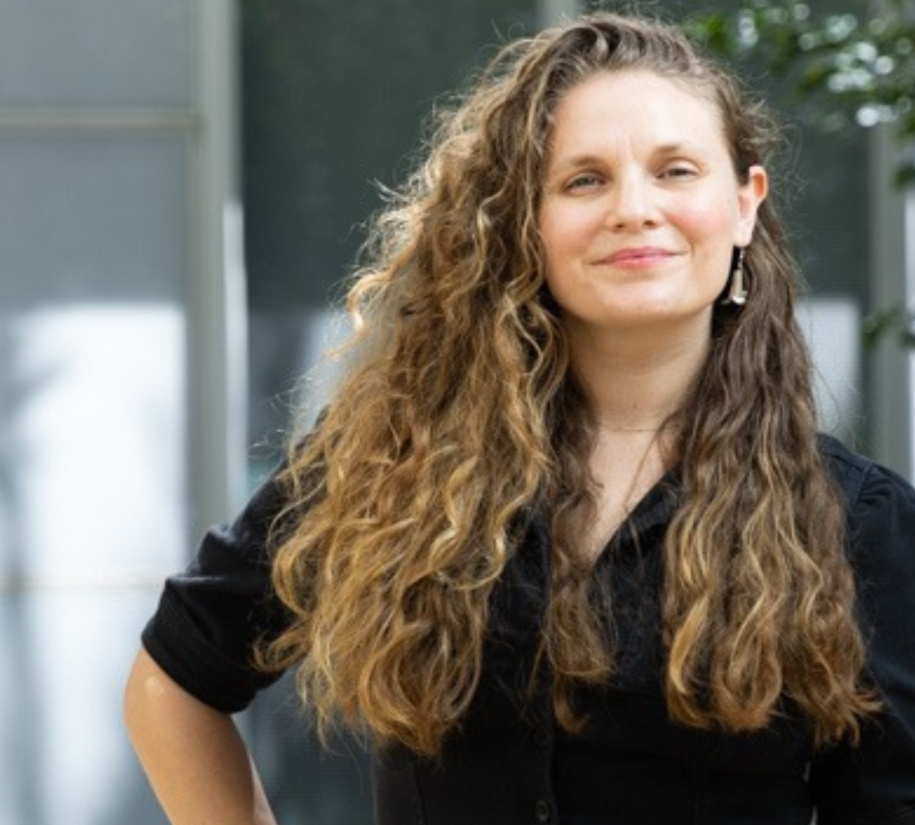
Kathleen Hetrick
Los Angeles, CA
Bloomberg Fellow Kathleen Hetrick watched the Palisades fire sweep across Los Angeles. While many people focused on rebuilding, she turned to a less visible problem: what was in the air.
The Initiative Difference
Where Education, Research, and Practice Converge
As part of its core mission, the Initiative brings together education, research, and practice to take a holistic approach to addressing pressing public health needs.
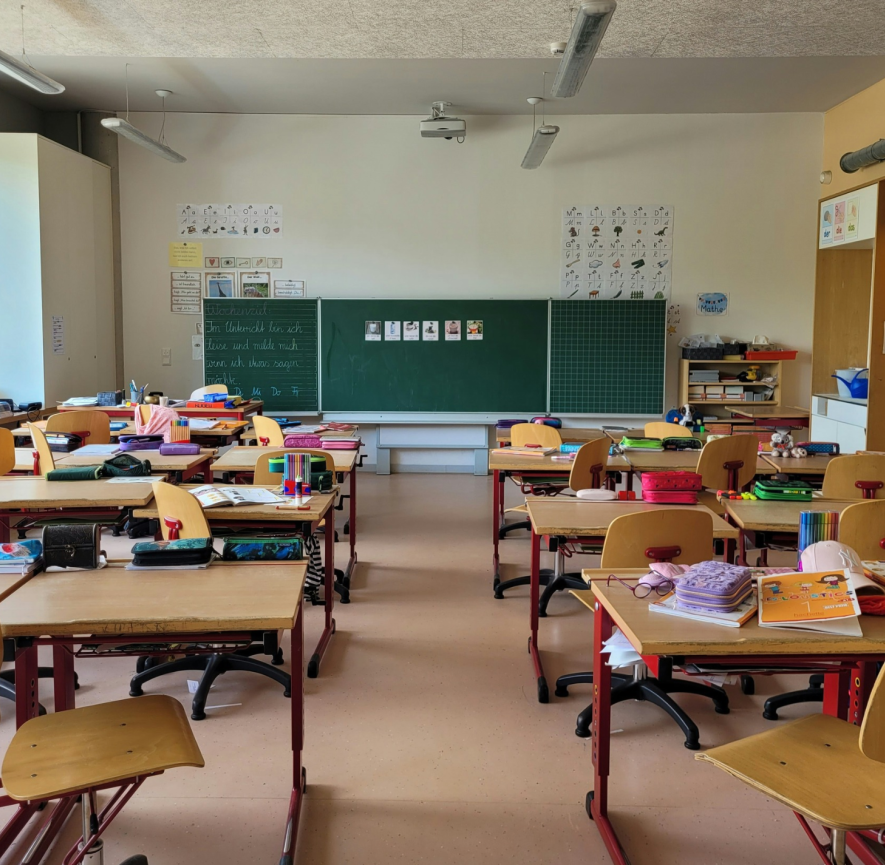
A New Approach to Chronic Absence
Today, more than one in four students nationwide are considered chronically absent, defined as missing 10% or more of the school year. In some districts, that number is closer to one in two students. Chronic absence puts long-term learning, health, development, and future economic stability at risk. While it affects students across all demographics, disparities are especially pronounced across race, geography, and socioeconomic status. Many of the root causes, such as limited access to healthcare, housing instability, and family stress, stem from broader systemic barriers and originate outside the school environment. Prior research from the Initiative sought novel ways to build bridges between education and healthcare providers to address the root causes of chronic absence. Read more about this public health approach to chronic absence.

Public Health Vending Machines
Public health vending machines provide convenient, sometimes contactless access to harm-reduction supplies such as naloxone, safer-use materials, educational resources, and hygiene kits. By offering supplies outside regular service hours and in underserved communities, they can extend the reach of existing programs and help prevent overdose and infectious disease. Successful implementation depends on understanding local needs and building readiness and support among staff, community members, partners, and program participants. Read more about how we are making harm reduction accessible.